Nicotine on Your Own Terms: A Real-World Guide to Dialing Back Without Going Cold Turkey

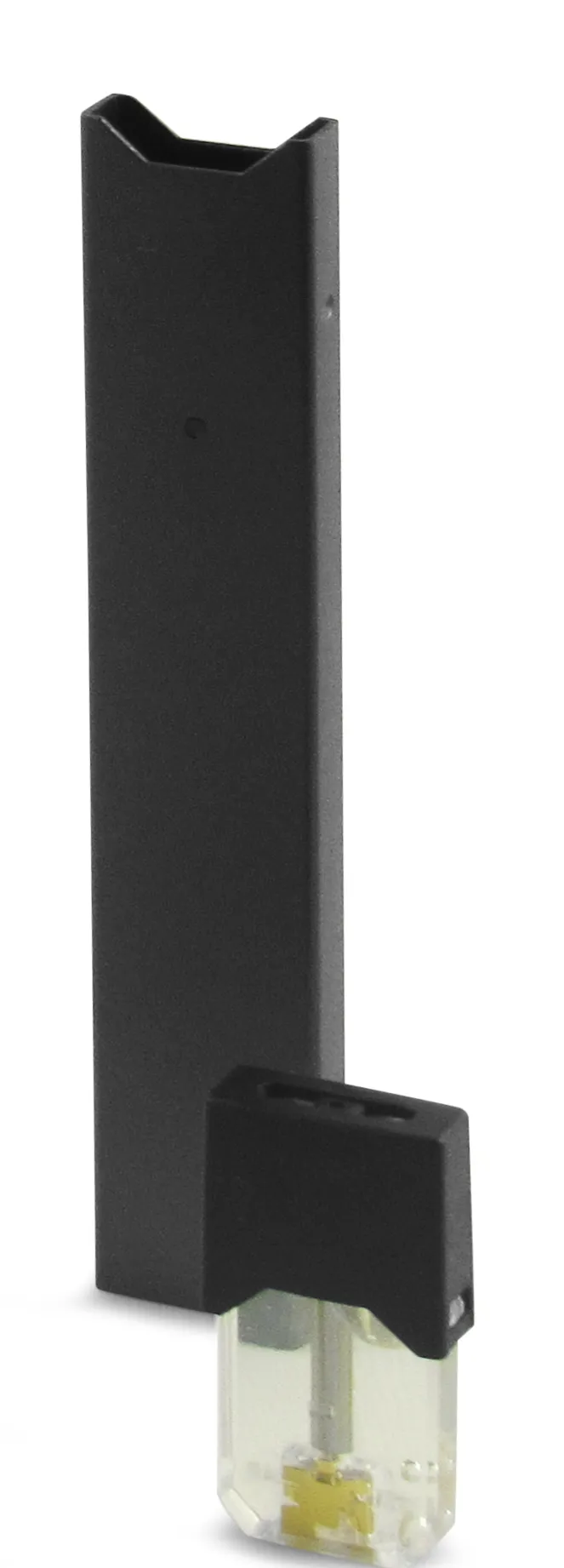
Photo: person holding vape device thoughtfully near window calm lifestyle, via http2.mlstatic.com
Nobody Said It Had to Be All or Nothing
There's a version of the nicotine conversation that goes like this: you either quit completely, or you're failing. That framing doesn't work for a lot of people, and honestly, it doesn't need to.
Harm reduction is a legitimate, evidence-informed approach — and for many former smokers who've already made the shift from cigarettes to vaping, the next logical step isn't necessarily zero nicotine. It's less nicotine, consumed more deliberately, on a timeline that actually fits their life.
If that sounds like where you're at, this one's for you.
Start by Knowing What You're Working With
Before you can taper down, you need an honest picture of where you currently are. That means getting specific about two things:
- Your current nicotine concentration — measured in milligrams per milliliter (mg/mL). Common levels in the US market run from 3mg on the lower end to 50mg or higher for nic salt products.
- How much you're actually vaping per day — not a rough guess, but a real estimate. Are you hitting your device a few times after meals? Or is it basically in your hand all day?
Those two numbers together give you a baseline. Without a baseline, "cutting back" is just a feeling — and feelings are easy to rationalize away when cravings kick in.
Understanding the Difference Between Nic Salts and Freebase
This part matters more than most new vapers realize, and it directly affects your tapering strategy.
Freebase nicotine is the traditional form used in most e-liquids. It's harsher at higher concentrations, which naturally limits how much you can vape comfortably. Most freebase juices in the US range from 3mg to 18mg.
Nicotine salts (nic salts) use a slightly different chemical form that's smoother to inhale, which means higher concentrations — 25mg, 35mg, 50mg — feel far less harsh than you'd expect. That smoothness is great for heavy smokers making the initial switch, but it also means you can absorb a lot of nicotine without the physical feedback that would normally slow you down.
If you're currently on high-concentration nic salts and want to reduce your intake, your tapering path has two possible routes:
- Drop within the nic salt category: Move from 50mg to 35mg, then to 25mg, then to lower options if they're available in your preferred juice.
- Transition toward freebase: Once you're below 20mg or so, freebase liquids become a viable and often more flexible option for continued tapering, with more granular concentration steps available.
Neither path is universally right. It depends on your device, your habits, and how aggressive you want to be with the reduction.
A Practical Tapering Framework
Here's a simple structure that works for a lot of people. It's not a clinical protocol — it's a starting point you can adjust based on how your body responds.
Step 1: Hold steady for two weeks at your current level. Don't try to change anything yet. Just track your usage honestly. You're building awareness, not willpower.
Step 2: Drop one concentration level. If you're at 50mg nic salts, move to 35mg. If you're at 18mg freebase, try 12mg. Make only this one change — don't simultaneously try to vape less frequently. Stacking changes is how people burn out and snap back.
Step 3: Give it two to three weeks. Your body needs time to recalibrate. The first week at a lower concentration often feels fine. Week two is where cravings can resurface. Week three is usually where the new level starts to feel normal.
Step 4: Reassess, then repeat. If you feel stable, drop again. If you feel like you're compensating by vaping way more frequently, hold your current level longer before the next step.
This isn't a race. Someone tapering from 50mg to 3mg over 18 months has accomplished something real and sustainable. Someone who tried to do it in six weeks and went back to cigarettes has not.
Managing the Urge to Compensate
One of the most common traps in nicotine reduction is compensatory vaping — unconsciously taking more hits to make up for the lower concentration. Your device becomes a pacifier rather than a delivery tool, and your total nicotine intake barely changes despite using a "lower" juice.
A few ways to keep this in check:
- Set loose session limits. Not rigid rules, but loose intentions. "I'm going to try to wait until after lunch" is more sustainable than "I'm only allowed four hits per day."
- Keep your device out of arm's reach during low-craving periods. Habitual vaping often isn't driven by nicotine need — it's driven by boredom, stress, or just the muscle memory of reaching for something. Physical distance helps.
- Notice the difference between a craving and a habit. Real nicotine cravings have a physical quality — mild anxiety, restlessness, difficulty concentrating. Habitual reaching for your vape usually doesn't. Developing that awareness gives you more control.
Real Talk: What Success Actually Looks Like
For some people, success means getting to 3mg freebase and staying there comfortably — vaping occasionally, on their own terms, without the financial and health burden of a pack-a-day cigarette habit. That's a meaningful outcome.
For others, the tapering process gradually makes vaping feel less central to their day, and they find themselves naturally reaching for it less and less until it fades out on its own. That happens too.
Both are valid. The goal isn't to match someone else's timeline or definition of success — it's to move in a direction that gives you more control over your own habits.
The fact that you're thinking about this at all puts you ahead of where you were. Take it one step at a time, stay honest with yourself about your usage, and use the tools available to you — including the range of nicotine concentrations and product types at Swype Vape — to build a path that actually fits your life.
You don't have to choose between all-in and all-out. There's a lot of room in between.