So You Just Switched: An Honest Week-by-Week Look at Your First Month as a Vaper

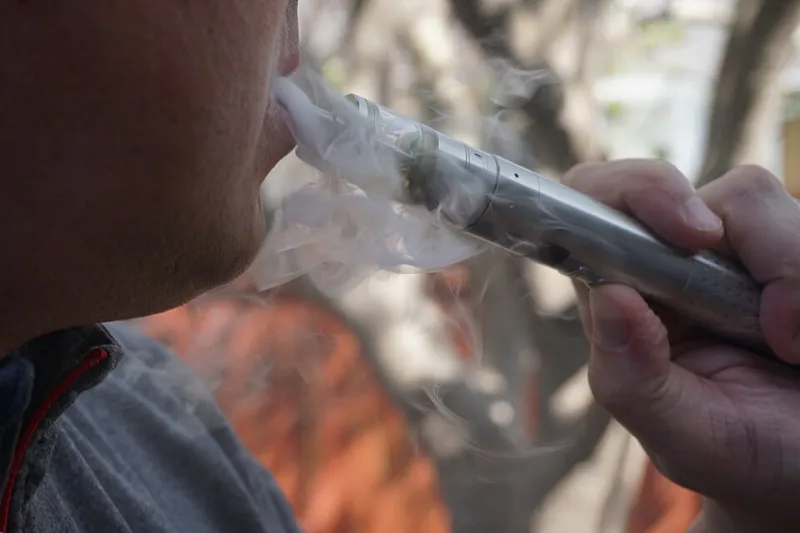
Photo: person holding vape device looking thoughtful with cigarettes in background, via www.myfinancemd.com
Let's be upfront about something: switching from cigarettes to vaping is not a seamless, painless swap. The ads make it look like you just toss the pack, pick up a device, and float off into a lavender cloud. The reality is messier, more frustrating, and — if you know what to expect — completely manageable.
The first 30 days are where most people either find their footing or give up and go back to cigarettes. This is a breakdown of what actually happens during that stretch, week by week, so you're not blindsided when things get weird.
Before Day One: Setting Yourself Up Right
The setup you start with matters more than most people realize. Walking into a gas station and grabbing a random disposable is fine for testing the waters, but if you're serious about making the switch stick, you want a device that actually delivers a satisfying experience.
For most smokers, that means something with a tight, mouth-to-lung draw (similar to how you'd pull on a cigarette) and nicotine salt e-liquid in the 25–50mg range. Freebase nicotine at lower concentrations often doesn't hit hard enough to satisfy cigarette cravings, which is one of the main reasons people go back.
Don't overthink the hardware at this stage. A basic pod system from a reputable brand is plenty. You can geek out on equipment later — right now, the goal is just getting through the transition.
Week One: The Adjustment Is Real
The first week is probably the roughest, and that's not meant to discourage you — it's just the truth.
Your body is used to the very specific chemical cocktail that cigarettes deliver: nicotine, yes, but also MAOIs and other compounds that affect how nicotine feels and how quickly it hits. Vaping delivers nicotine differently — the onset is slightly slower, the sensation in your throat is different, and the ritual itself feels unfamiliar.
You might notice:
- Cravings that feel unsatisfied even after vaping. This is common. Your brain is looking for the exact cigarette experience, and vaping isn't a perfect replica. Give it time — the craving will shift.
- Coughing. Some people cough more when they start vaping, especially if they've been smoking for years and their airways are beginning to clear. Others cough because they're inhaling vapor differently than smoke. Both usually resolve within a week or two.
- A weird taste in your mouth. Some new vapers describe a slightly odd taste as their taste buds start recovering from the effects of smoking. This is actually a good sign, even if it's strange.
- Headaches or mild dizziness. If you're getting more nicotine than you're used to, or less, either way your body will let you know. Adjust your vaping frequency accordingly.
The urge to grab a cigarette during this week will be strong. Having a plan for high-craving moments — a specific vaping ritual, a distraction, or even just knowing the craving will peak and pass — makes a real difference.
Week Two: Finding Your Groove (Sort Of)
By the second week, most people start to feel less like they're white-knuckling it. The device feels more familiar in your hand. You've probably figured out what wattage or airflow setting you prefer. The ritual of vaping is starting to replace the ritual of smoking in a way that feels more natural.
This is also the week where you might start troubleshooting:
- The throat hit isn't right. If it's too harsh, try a lower nicotine concentration or a higher VG juice. If it's too smooth and not satisfying, go higher on the nic or look for a tighter draw.
- The flavor is meh. This one's really common, and it usually comes down to trying more options. Most vapers don't land on their favorite juice in the first week. Try a few different profiles — tobacco, menthol, fruit, dessert — and see what actually makes you want to vape.
- You're vaping way more than you smoked. Because the nicotine delivery is less acute, it's easy to puff more frequently without realizing it. Pay attention to how much you're consuming. This is especially true with lower-nicotine setups.
Week two is also when some people slip up and have a cigarette. If that happens, don't catastrophize it. One cigarette doesn't undo the progress you've made. Get back to vaping and keep going.
Week Three: The Psychological Layer
Here's something that doesn't get talked about enough: a big part of smoking addiction is psychological, not just chemical. The cigarette after coffee. The smoke break at work. The one after dinner. These aren't just nicotine delivery moments — they're habits with emotional and social weight attached to them.
Vaping can fill those slots, but it takes conscious effort to build the new association. When you feel the urge to smoke in those familiar moments, reach for your vape first and do it in the same physical space if possible. You're essentially rewriting the habit loop.
Week three is also when some people notice they're starting to taste food differently. Flavors come back as the effects of smoking on your taste buds reverse. Coffee might taste stronger. Food might be more interesting. This is one of the quiet wins of making the switch.
Week Four: You're Over the Hump
By week four, most people who've made it this far are feeling genuinely different. The cigarette cravings haven't disappeared entirely, but they're less frequent and less intense. Vaping feels natural rather than like a substitute.
This is also a good time to reassess your setup:
- Is your nicotine level still right? Some people find they want to start stepping down after the first month. Others stay at the same level for a while. Both are fine.
- Is your device still working for you, or are you ready to explore something different?
- Are there still specific situations where cigarettes feel like the only option? Those are worth addressing directly, either by having a vaping strategy for those moments or by just acknowledging the trigger and riding it out.
The Stuff Nobody Warns You About
A few miscellaneous things worth knowing:
Vaper's tongue is real. After extended vaping, especially with the same flavor, your sense of taste for that juice can dull significantly. Switching flavors or taking a break usually fixes it.
You might feel worse before you feel better. As your lungs start clearing from years of smoking, some people experience increased mucus production and coughing in the early weeks. It's your body doing cleanup work.
The comparison trap is a dead end. Vaping is not cigarettes. It doesn't feel exactly the same, it doesn't smell the same, and it doesn't hit the same. The sooner you stop expecting it to be a perfect replica and start evaluating it on its own terms, the easier the transition becomes.
You've Got This
The first 30 days are genuinely the hardest part. After that, the new normal starts to feel like just... normal. The goal isn't perfection — it's persistence. Keep your device charged, keep juice on hand, and give yourself the grace to figure it out as you go.